

Is My Newborn Eating Enough?

It’s common for new parents to wonder how much a newborn should eat and wondering if they are eating enough. Let’s take a look at some resources that can help you learn more about babies’ eating habits and how you can care for your little one with confidence.
You’re a new mom with a brand new life in your arms. You’re exhausted, emotional, and overwhelmed trying to figure out your new role as a mother. Your little one cries - a lot. You wish the baby could communicate to tell you exactly what would make them happy, but, of course, they can’t.
You ask yourself, “Is my newborn eating enough?” You wonder if your baby is getting enough milk to fill their little tummy. Do they have the right nutrients to grow? Are you releasing enough milk, and is the baby sucking the right way? Did you buy the right kind of formula?
New parent questions are normal, and we can help point you in the right direction. From feeding and sleep to knowing when your baby needs to be seen, our team is here to help you feel confident in every decision. You don't have to figure it out alone.
Newborns Cry For Many Reasons
Babies cry for all kinds of reasons, and hunger is just one of them. It’s important, especially for new parents, to pay attention to all of their behaviors collectively. Over time, you’ll start to recognize the different cries your child makes and what they mean. As you track their eating and growth habits, look for signs of dehydration, such as skipping multiple feeds, fewer wet diapers, a dry mouth or a fever, which are worth taking seriously. If you notice any of these, don't wait. Trust your gut and get your child seen. Our pediatric team in Anchorage is available for same-day urgent care and telemedicine visits across Alaska. Call us at 907-222-5090 or contact us online. For life-threatening situations, call 911.
How Much Should a Newborn Eat?
When parents ask, “How often should I feed my newborn?” there are some guidelines we can go by, but they differ a bit depending on whether the baby is fed primarily by nursing or with a bottle.
Newborn Feeding Schedule With Amounts:
Child’s Age | Amounts Per Feeding | Number of Feedings |
Breastfed | 1 oz, gradually increasing over time | Every two hours or 10-12 times in 24 hours |
Bottle-fed | 0.5 oz in the first couple of days, increasing to 1-2 oz | Every 2-3 hours or about 8 times in 24-hours |
Source: HealthyChildren.org and the American Academy of Pediatrics, Webpage
According to HealthyChildren.org, most babies will be drinking 3-4 ounces in a sitting every 3-4 hours. That changes to 6-8 ounces 4-5 times a day by the time they are six months old.
Remember, babies have incredibly small stomachs. When they are first born, their stomachs are about the size of a cherry! That explains why they have to eat small amounts so frequently.
Signs Your Baby Is Not Getting Enough Milk
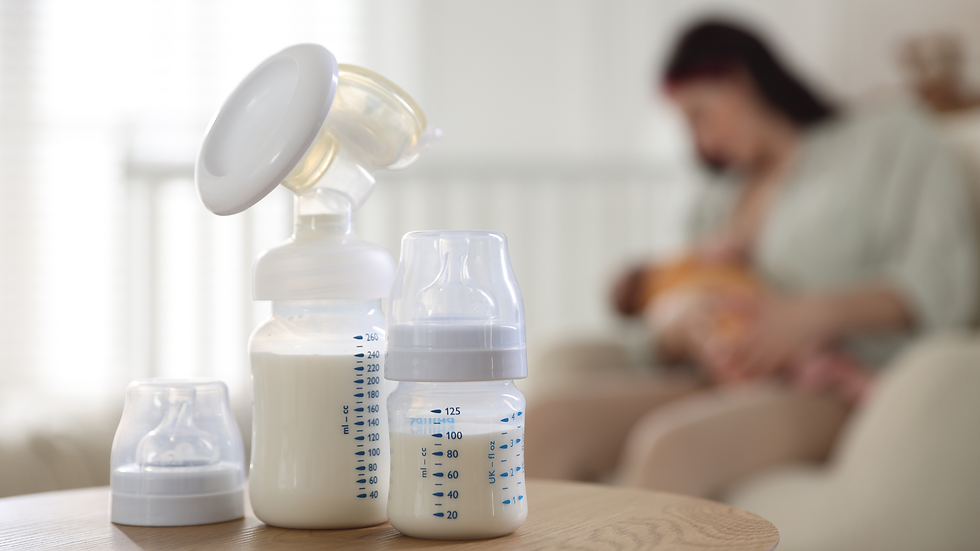
If you’ve been following your newborn’s hunger cues and still have a feeling that your baby is not getting enough milk and something isn’t right, trust that instinct. Knowing your newborn is getting enough to eat isn't always straightforward. Here are some signs that may indicate a feeding concern:
Weight gain: Is your baby not gaining weight regularly? Remember, babies often lose a little weight after birth. But if they are eating well, they should get back up to birth weight by the time they are about 2 weeks old.
Swallowing sounds: Can you see and hear your baby swallowing while eating? Can you hear clicking sounds while they are eating? Watch and listen while your newborn eats. Clicking sounds during feeding can indicate whether they are latched well to the breast or nipple.
Fussiness after feeds: Is your baby upset right after a feeding? If your baby seems upset or unsettled right after eating, they may not be getting enough.
Wet and dirty diapers: Does your baby have fewer than 6 wet and 3 dirty diapers each day (after they are 5 days old)? Fewer than that is a signal to pay attention to.
Skin color: Is your baby’s skin tinged yellow? A yellowish tint to your newborn’s skin can indicate jaundice, which sometimes affects feeding and should be evaluated immediately.
When in doubt, reach out to our team for a same-day pediatric urgent care appointment in Anchorage, Alaska. You can also start a telemedicine visit from anywhere in Alaska, available 7 days a week from 8 am to midnight.
Causes and Risk Factors of Newborn Hunger
Every baby is different, and there's no single reason a newborn might struggle with feeding. What matters most is knowing your child and noticing when something feels off.
Was your baby born premature? You might ask your child’s NICU doctor for age-adjusted milestones fit to your child’s appropriate gestational age.
Did you have NICU time, or were you hospitalized long-term after the birth? This can sometimes affect how you bond and feed your child. Reach out to a lactation consultant who has worked with NICU babies.
Do you have the right equipment and tools to ensure a good latch? If breastfeeding, a lactation consultant can help you identify ways to make sure the baby is latched well.
Are you taking care of yourself? This is especially vital for breastfeeding moms, as milk supply can be affected by lack of food and sleep and excess stress. Talk to a lactation consultant and your personal support system to make sure you have everything you need to provide milk for the baby.
Does your baby have an intolerance or allergy? This would be a good question to ask your child’s pediatrician, and it might call for a switch in formula.
Is your little one extra sleepy? Some babies are more interested in sleeping than eating. While parents have to make sure they get the nutrients they need, it might simply be a unique quirk of your newborn. Learning your specific child’s newborn hunger cues can help you know when he or she is really hungry and when you can let them sleep a little longer.
When to Seek Help for Your Newborn

Parents should seek help from a pediatric specialist primarily if their newborn is not gaining weight, regularly refusing to eat, and not producing approximately 3 dirty diapers and 6 wet diapers each day. Support is closer than you think. Your OB, primary care provider, or a lactation consultant can all be valuable resources. Remember, your pediatrician is familiar with your newborn; they should be one of your first calls. Because newborns are fragile and cannot communicate on their own, it’s important to attend all well checks so that medical professionals can monitor growth and development over time. This is also the perfect opportunity to ask questions!
Of course, if you need answers during times your pediatrician is unavailable, Alaska Children’s Urgent Care and Outreach is ready to help. We have a walk-in clinic offering same-day and next-day appointments in Anchorage. We also offer pediatric telemedicine for newborn concerns for all of Alaska. These services are available after normal business hours when most other medical providers are closed.
What to Expect at Pediatric Urgent Care in Alaska
If you decide it's time to visit the professionals at Alaska Children’s Urgent Care and Outreach, here is what the process would look like:
Check-in: You can book an in-person appointment online, which will reduce your wait time. Walk-ins are also welcome.
Assessment: A board-certified pediatric specialist will do a full assessment of your little one. He or she will order testing if needed and will answer any questions you may have.
Treatment: The specialist will provide a plan to help you and your baby. If any medication is needed, the prescription can be electronically sent to your local pharmacy.
What Does Pediatric Telemedicine for Newborn Concerns Look Like in Alaska?
Our telehealth appointments operate just like our in-person appointments - just over a device! Instead of meeting in person, parents will receive a link that can be opened on a smartphone, tablet, or computer. That link will connect parents to a secure video where they can meet with a qualified medical professional who will help them assess the situation and find additional help.
Whether you see our team in the clinic or through a telehealth video call, you will receive compassionate, high-quality care from medical providers who have specialized expertise in working with children. Our providers use proven, evidence-based approaches to get your newborn on track, so both of you can feel confident and settled.
There Is Help For Parents of Newborns in Alaska
Alaskans know that living in our state comes with challenges. Heavy snowfall, limited travel options, remote communities, and the sheer size of Alaska can cause difficulties for families in a number of ways. Access to healthcare should not be one of those struggles.
Alaska Children’s Urgent Care and Outreach has a goal: healthier futures for all of Alaska’s children. We are dedicated to providing care across the state, whether that’s helping new parents with their newborns, relieving fevers, or treating strep throat.
When you wonder if your newborn is eating enough, if they are meeting developmental milestones, or if they need additional medical support, reach out to Alaska Children’s Urgent Care and Outreach. We are here for all Alaskan children and their families.
Need to be seen?
Alaska Children's Urgent Care & Outreach
751 E 36th Ave, Suite 100 · Anchorage, AK 99503 · 907-222-5090
Medical Disclaimer: This article is designed to offer information for educational purposes only. It does not constitute medical advice. Please reach out to a qualified medical provider for diagnosis and care options tailored to you and your family.
Frequently Asked Questions
What can I do to make feeding my newborn easier?
Generally speaking, it is important to follow the newborn feeding schedule while also learning your child’s hunger cues. This can include rooting, sucking, licking lips, opening the mouth, putting hands by the mouth, and fussiness. It can be tricky, but as you learn the cues, you can also develop a routine. Also, remember that this can be a bonding experience for you and your little one.
What do I do if I’m having trouble breastfeeding?
Breastfeeding can be challenging. It is important to get nutritious food and rest to keep up your supply. Pumping regularly can also help. Consider speaking to a lactation consultant for personalized advice. The CDC also has recommendations on its website.
How much should a newborn eat?
According to HealthyChildren.org, breastfed babies consume about 1 oz every two hours. Bottle-fed babies consume 1-2 oz every 2-3 hours. This changes quickly as the baby grows. And, it’s important to remember that different babies will prefer to drink different amounts and different times a day. Some babies operate well on a routine. Others like to cluster feed.
Do the doctors at Alaska Children's work with newborns?
Yes! Our pediatric specialists are trained in the development of children ages 0 to 18. They understand best practices around diagnostics and treatment in each phase of childhood development.


