

RSV in Toddlers: What Does It Look Like?
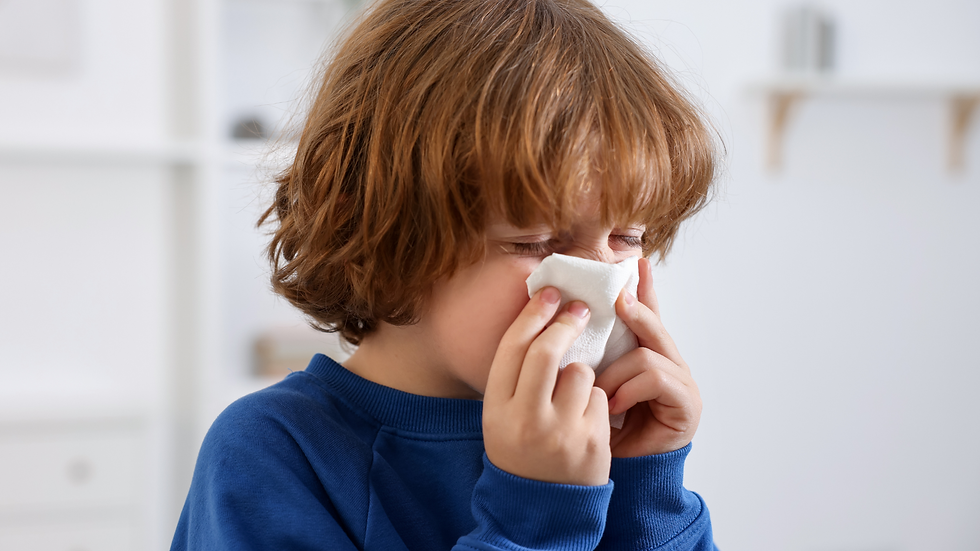
Your toddler has a cough and runny nose and isn't playing as actively as usual. You start to wonder, could this be a common cold or RSV in my toddler? What does it look like? You’ve heard horror stories on the news about the implications of RSV, and remember that RSV goes around every year.
Each year, parents are forced to think more carefully about germs and how they interact with their babies, toddlers, and young children. RSV and other serious illnesses can be mild, but they can also cause real harm. Let’s break down what RSV is, look at the facts, and explore ways to mitigate it.
Each year in the U.S., about 58,000 to 80,000 children under age 5 need care at a hospital for RSV, according to the Cleveland Clinic.
“Each year in the U.S., about 58,000 to 80,000 children under age 5 need care at a hospital for RSV.”
RSV is a common respiratory illness. RSV season for Alaska’s children is very serious. Our pediatric team in Anchorage is available to help kids with RSV, as we offer same-day urgent care and telemedicine visits across Alaska. Call 907-222-5090 to contact Alaska Children’s Urgent Care and Outreach. However, if the child is exhibiting life-threatening symptoms, call 911.
What Is RSV, and What Causes RSV Symptoms in Toddlers?
RSV stands for respiratory syncytial virus. Parents and caregivers should know what RSV symptoms in toddlers look like and how best to keep them healthy. This is an incredibly common virus that spreads amongst children every year. In fact, according to the Cleveland Clinic, about 90% of children will contract RSV before they turn 2. Of those children, 40% can develop pneumonia, bronchiolitis, or other worrisome illnesses.
RSV symptoms in toddlers (ages 1-3) are similar to those of the common cold, with some cases mild and others more severe. Parents can expect to see coughing, sneezing, and runny noses, limited appetite, disinterest in regular activities, difficulty swallowing, and slightly faster breathing.
RSV spreads by droplets that enter the air - and then other humans - when an infected person coughs or sneezes. The virus can live on hard surfaces for hours. So, it’s important to teach kids good hygiene and practice regular cleaning habits, especially during RSV season. For families who have babies at home, this is especially important, as infants can face more serious consequences when they contract RSV.
Risk Factors for RSV in Toddlers

Because RSV symptoms in toddlers can range in severity, with the potential for negative outcomes like hospitalization, it’s important to take RSV seriously. Complications from RSV can bring about lower respiratory infections and lead to hospitalization. There’s also a potential connection to asthma later in life (Cleveland Clinic).
RSV can cause long-term harm to any child, but it’s especially dangerous for babies born prematurely, infants who are younger than 6 months old, and young children with congenital heart disease, lung disease, cystic fibrosis, neuromuscular disorders, or compromised immune systems.
To mitigate these risk factors, mothers should consider getting the RSV vaccine during pregnancy, between weeks 32 and 36, to provide their newborns with extra protection in their early days of life. Babies up to 8 months old can also get a monoclonal antibody immunization (1-2 doses). Ask your doctors for more information. Families should also put in place measures to limit exposure to germs, such as avoiding people who are sick, washing hands frequently, and cleaning toys regularly.
When To Take a Child to the Doctor For RSV
If your toddler is showing severe symptoms of RSV, he or she may need direct medical care. The Cleveland Clinic advises that parents call 911 if a child shows any of these symptoms:
Noisy breathing
Nostril flaring with every breath
Lips, mouth, or fingernails that look gray or blue
Belly breathing or “caving in” of their chest when they breathe
Shallow or fast breathing
Pauses in breath
Dehydration
Parents should never hesitate if their children are in life-threatening situations. But if your child is not exhibiting serious signs but still needs medical attention, consider a telehealth appointment with Alaska Children’s Urgent Care and Outreach.
Ready to connect with a pediatric provider?
When is RSV Season in Alaska for Children?
According to the CDC, the RSV season in Alaska for children lasts longer than for other children in the rest of the United States, from October through May.
Additionally, American Indian or Alaska Native children are statistically more likely to get severe RSV. In fact, some studies show an elevated RSV hospitalization rate for Alaska Native children from the Yukon Kuskokwim Delta. Furthermore, Alaska Native infants reportedly experience one of the highest hospitalization rates for lower respiratory tract infection and RSV compared to other US children.
These statistics demonstrate the importance of high-quality healthcare for all children in Alaska, a top priority for Alaska Children’s Urgent Care and Outreach. This is why we offer telemedicine and outreach clinics: kids in remote, rural, and urban areas all deserve access to medical attention when they need it.
What Does Treatment for RSV in Toddlers Look Like?
Doctors can use a swab test to diagnose RSV, but they may also be able to diagnose it with a simple physical examination. Antiviral drugs are available for some situations, but many children heal on their own at home with basic remedies that promote comfort.
Treating RSV symptoms in toddlers can involve:
Drinking extra fluids
Getting plenty of rest
Suctioning out mucous
Using saline sprays and humidifiers
At Alaska Children’s Urgent Care and Outreach, RSV is treated with the seriousness it requires. Our team of experts offers pediatric RSV treatment in Anchorage. Our in-person clinic serves the greater Anchorage area and is open for appointments and walk-ins Sunday through Friday from 11 am to 7 pm and Saturdays from 11 am to 5 pm. Making an appointment can reduce wait times. Follow this link to make an appointment.
Can RSV be treated via telehealth?
Our telemedicine team at Alaska Children’s can help patients with RSV and other respiratory issues. Use our online platform to book a virtual appointment at your convenience. Once the parent and patient have connected with a medical provider via video call (available on any computer, smartphone, or tablet with internet and video capabilities), you will receive expert advice, treatment plans, and prescriptions sent electronically to your local pharmacy (if needed).
Not all situations are appropriate for telemedicine. Our providers can help parents decide if in-person visits are needed to more effectively treat the child.
If you aren’t sure whether you need to make a standard appointment or go to the hospital, remember to err on the side of caution regarding when to take your child to the doctor for RSV.
Help is never too far!
Our telemedicine team is available from 8 am to midnight, 7 days a week.
Medical Disclaimer: This article is designed to offer information for educational purposes only. It does not constitute medical advice. Please reach out to a qualified medical provider for diagnosis and care options tailored to you and your family.


